From $1,200–$8,500: Toronto EV charger costs, ESA vs City permits
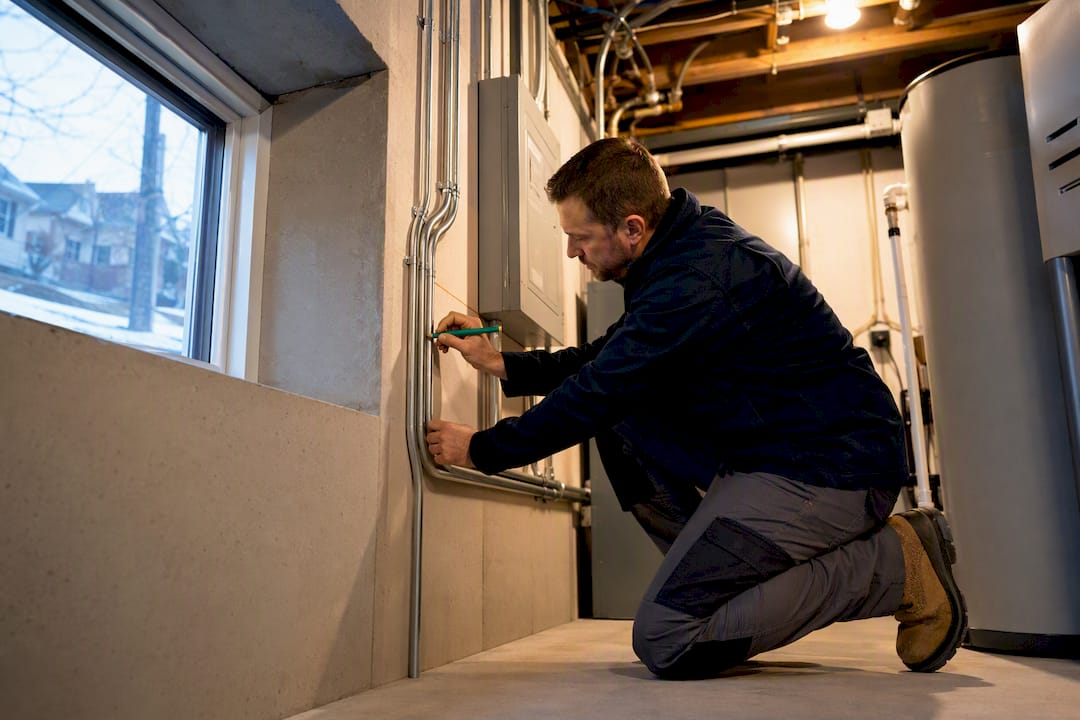
Most standard Level 2 home charger installations in Toronto do not require a City of Toronto building permit. What you do need is an ESA notification of work and, at the end of the job, an ESA certificate of acceptance. Realistically, budget between $1,200 and $8,500 depending on your panel and wiring situation. Book an on-site assessment with an ESA-licensed electrician before you accept any quote.
TL;DR:
- Most Level 2 home charger installations in Toronto require an ESA notification and end with an ESA certificate, not a City permit, unless structural changes are involved.
- The final cost depends mainly on panel capacity, wire run length, and whether a panel upgrade or trenching is needed, ranging from about $1,200 to over $8,500.
- Rebate programs can reduce costs significantly, especially when smart load management avoids full panel upgrades; always verify if your panel has spare capacity.
- A detailed quote should include hardware, materials, labor, and paperwork; missing any of these indicates a need for clarification before proceeding.
- Confirm the installation’s safety and legality by obtaining the ESA certificate, proof of license, insurance, and proper documentation before final payment.
Table of Contents
- What an EV charger installation quote includes
- What drives the final cost up or down?
- Realistic Toronto cost scenarios
- Do you need a permit, or just an ESA notification?
- How long does the whole process take?
- How do you confirm the job was done safely and legally?
- Rebates and ways to lower your total cost
- What installers actually see on the job
- Get an accurate quote before you commit to anything
- Where to check the details yourself
- Sources
- FAQ
What an EV charger installation quote includes
A proper EV charger installation quote in Toronto breaks down into four buckets: hardware, materials, labour, and paperwork. Understanding each one helps you compare bids that look wildly different on paper but cover the same actual work.
- Hardware: Level 2 wallbox units and hardwired chargers vary in price depending on brand, amperage, and smart features like app connectivity.
- Materials: conduit, copper cable, a dedicated breaker, mounting hardware, and drywall or concrete patching after the run is installed.
- Labour: electrician time for the circuit run, trenching if the garage is detached, wall repairs, and final testing before sign-off.
- Permits and inspections: ESA notification of work is standard, and any municipal building permit fees get folded into the total. Reputable installers handle this filing themselves.
- Common exclusions: structural repairs, tree root interference with trenching, and unusually long conduit runs typically show up as separate line items, not part of a base quote.
If a quote skips over any of these categories entirely, ask why. A Level 2 charger installation done right always accounts for every one of them, even when the answer is “not applicable to your home.”
What drives the final cost up or down?
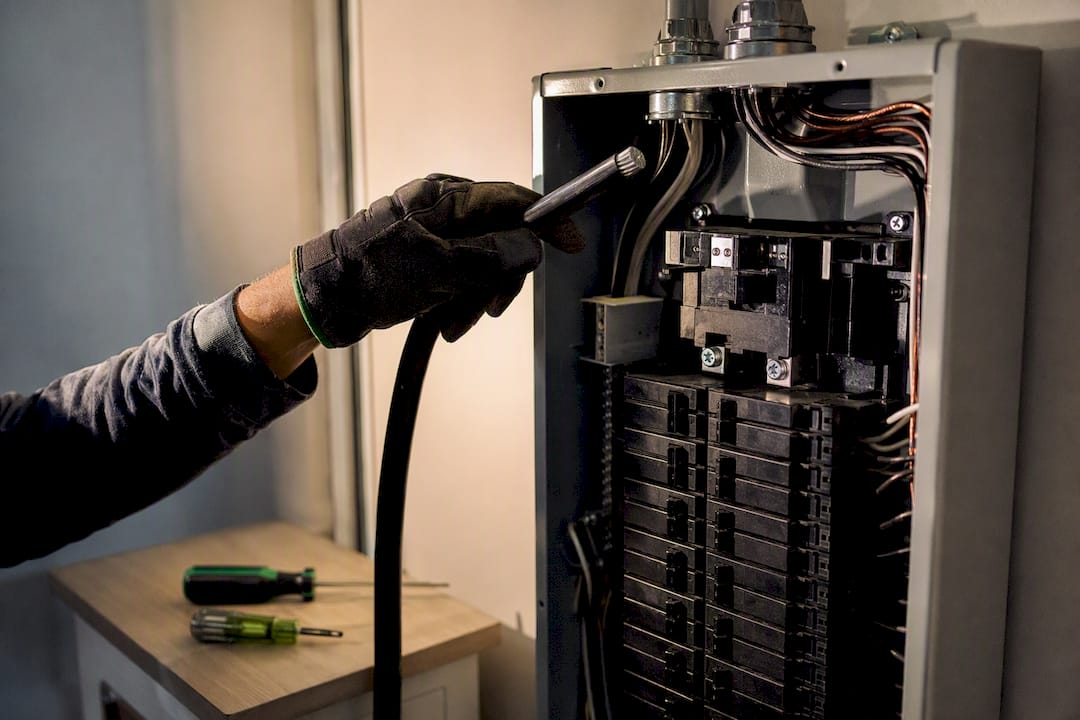
Panel capacity is the single biggest variable. If your home runs on a 100-amp panel that’s already near capacity, you’re looking at a 200A upgrade, which adds significant labour hours, a new inspection cycle, and possibly a Toronto Hydro coordination step.
Wire run distance matters almost as much. An attached garage next to your electrical panel is a straightforward job. A detached garage across the yard means trenching, conduit under a driveway or lawn, and considerably more labour time.
Condo owners face a different set of headaches entirely: shared electrical rooms, metering complications, and property management approval processes that can stall a project for weeks before an electrician even touches a wire.
- Panel capacity and whether a 200A upgrade is needed
- Distance and routing complexity between the panel and charger location
- Meter or service work requiring Toronto Hydro coordination
- Condo approvals, shared electrical rooms, and building engineer sign-off
- Risk of rework if circuits weren’t properly re-terminated during a panel upgrade
Pro Tip: Ask your electrician directly whether the quote assumes your panel has spare capacity. A quote that skips this question is a quote that’s guessing, and guesses turn into change orders.
Realistic Toronto cost scenarios
Three homes, three very different bills. Here’s how the numbers typically shake out for a Level 2 residential install.
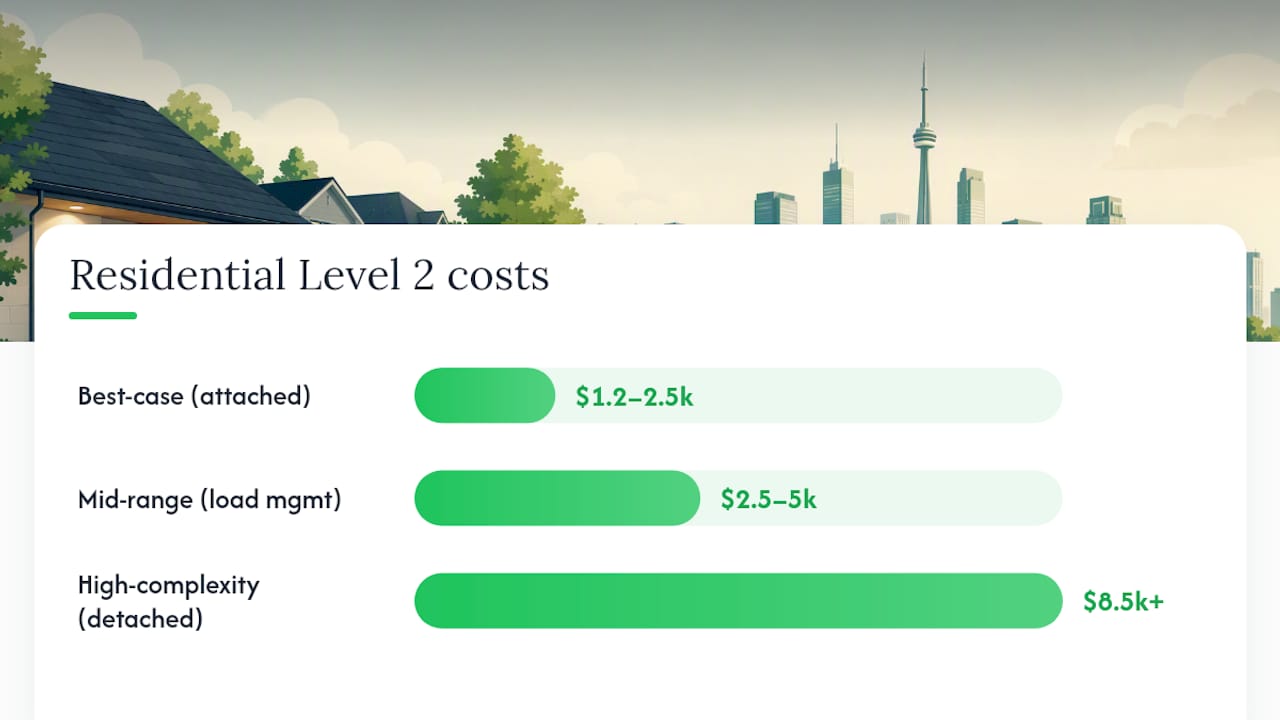
- Simple attached garage, short wire run, panel has spare capacity. This is the best-case scenario: minimal materials, a few hours of labour, straightforward ESA notification. Expect the lowest end of the realistic range, often close to $1,200 to $2,500.
- Moderate wire run or a 100A panel where smart load management works instead of a full upgrade. Installing an EVEMS-style load management system avoids a costly service upgrade while still supporting Level 2 charging safely. Mid-range jobs like this typically land between $2,500 and $5,000.
- Detached garage with trenching, or a full 200A panel upgrade. This is the highest-complexity scenario, involving significant labour, materials for a longer run, and extra inspection steps. Costs here can reach $8,500 or more depending on trenching length, and panel work required.
The line items that shift between these scenarios are almost always labour hours, trenching materials, and whether a panel upgrade appears on the invoice at all. Hardware cost stays relatively flat across all three.
It’s worth flagging that these figures apply strictly to private, off-street home installations. Public on-street charging installs in Toronto sit in an entirely different cost category, running three to five times higher than a private garage install due to right-of-way constraints and boulevard work. Don’t use municipal figures to benchmark your own driveway.
Do you need a permit, or just an ESA notification?
These two things get confused constantly, and the confusion costs homeowners money when they assume the more expensive process applies to them.
ESA notification of work is the standard requirement for almost every residential EV charger install. Your electrician files it before work begins, and once the job passes inspection, you receive an ESA certificate of acceptance. This certificate is the document insurers and future buyers actually care about.
A City of Toronto building permit is a separate matter and typically only comes into play if the work involves structural changes, like cutting into a wall for a new panel location or altering the building envelope. Most straightforward charger installs and even most panel upgrades don’t trigger this requirement.
- ESA notification: standard for virtually every install, filed by your electrician
- ESA certificate of acceptance: your proof of safe, compliant work
- City building permit: only needed for structural changes, not the charger itself
- Municipal fees, when they apply, follow the City’s published schedule
If a building permit is required, the City of Toronto’s fee schedule lists a minimum fee of $214.79 and an hourly examination and inspection rate of $92.79 for 2026. A licensed contractor typically folds these into your total quote rather than billing you separately after the fact.
How long does the whole process take?
From first call to charging your car, most Toronto installs move through five predictable steps.
- On-site assessment. An electrician reviews your panel, garage layout, and wiring path, often using photos you send ahead of time.
- Detailed quote. You receive a line-item breakdown covering hardware, labour, materials, and permit handling.
- Filing. The contractor submits the ESA notification and any required municipal permit before work begins.
- Installation and inspection. The physical work usually takes a few hours to a full day; ESA inspection follows.
- Certificate and records. You receive your ESA certificate of acceptance, which you should keep permanently.
Straightforward jobs often complete within the same week. Panel upgrades or condo approvals extend the timeline, sometimes by several weeks, mostly waiting on inspection scheduling or building management sign-off.
How do you confirm the job was done safely and legally?
Don’t treat the installation as finished until the paperwork matches the work. This is the checklist that protects your insurance coverage and your resale value.
- Request the ESA certificate of acceptance and a copy of the filed notification, and store both permanently.
- Confirm your installer’s ESA licence number and ask for proof of liability insurance and WCB coverage.
- Check your invoice for permit fees, listed test results, and photos of any panel work performed.
- If paperwork is missing or incomplete, request re-inspection before making a final payment.
Pro Tip: Keep your ESA certificate with your home insurance documents, not buried in an email. If you ever sell the house, buyers’ inspectors ask for it specifically.
A licensed installer will never hesitate to hand over these documents; choosing a professional with expertise in EV charger installation ensures safety and compliance. If yours does, that’s your answer.
Rebates and ways to lower your total cost
Federal and provincial EV incentive programs change often, so confirm current eligibility directly on official government pages before assuming a rebate applies to your purchase or installation.
Where real savings show up more reliably is in avoiding a full panel upgrade altogether. EVEMS, or smart load management, monitors your home’s electrical draw in real time and shares capacity between your charger and existing appliances. For many Toronto homes on a 100A service, this sidesteps the need for a 200A upgrade entirely, cutting thousands off the project.
- Ask upfront whether your contractor handles rebate paperwork on your behalf
- Request proof of any submitted rebate application, not just a verbal promise
- Ask specifically whether EVEMS is a viable alternative to a service upgrade for your panel
What installers actually see on the job
The biggest surprise on panel upgrade jobs isn’t the new breaker panel itself. It’s the hidden labour of re-terminating and re-verifying every branch circuit, work that low-ball quotes routinely leave out entirely.
An on-site assessment catches this before it becomes a change order. Homeowners who skip that step, and go with a phone-quote contractor, are the ones who call back mid-job asking why the price doubled. Prioritize a licensed electrician and insist on paperwork from day one.
— Hafiz
Get an accurate quote before you commit to anything
A practical alternative to guessing at a phone quote or comparing mismatched bids from different contractors is to choose an installer where every installation is handled by ESA-licensed electricians, with permit filing and rebate paperwork managed at no extra charge, and same-week booking available in the Greater Toronto Area.
Instead of estimating your own panel capacity or wire run distance, get a real number. Use the free installation cost calculator for a ballpark figure, then check the ESA permit explainer to understand exactly what documentation you’ll receive. Pricing details can be found on the provider’s website, and rebates on qualifying new EV purchases may be handled as part of the service. Book an on-site assessment and get a quote with no surprise line items later.
Where to check the details yourself
- City of Toronto building permit fees for current municipal fee schedules
- Toronto Hydro’s on-street charging program for utility coordination context
Sources
- Building Permit Fees
- City of Toronto background report (2026) — EV charging deployment and costs
- Toronto Hydro — on-street EV charging stations
- EV charger installation cost in Toronto: A 2026 guide
FAQ
Do I need a permit to install an EV charger in Ontario?
Most residential Level 2 installs need only an ESA notification of work, not a City building permit. A municipal permit applies only if the job involves structural changes, like altering a wall for a new panel location.
What is the 80/20 rule for EV charging?
The 80/20 rule refers to charging an EV battery up to 80% for daily use rather than 100%, since most fast-charging systems slow down significantly past that threshold. It’s a battery-health practice, not a permit or installation requirement.
How much profit does a commercial EV charging station make?
Commercial charging profitability depends heavily on usage rates, electricity costs, and location, and Toronto’s municipal reports note on-street public installs cost far more upfront than private installs, which affects payback timelines. This question falls outside residential installation planning, where the relevant number is your own install cost, not station revenue.
How much does a 350 kW charging station cost?
A commercial DC fast-charging station is an entirely different category and cost bracket from a residential Level 2 charger. Homeowners planning a driveway or garage install should budget in the $1,200 to $8,500 range instead.
How much does an EV charger installation typically cost in Toronto?
A realistic Toronto range runs from $1,200 for a simple attached garage install to $8,500 or more when a full panel upgrade or trenching is required. Pricing for standard jobs starts from a certain amount; please consult the relevant provider’s site for current pricing.
Recommended
Get Your Free Installation Quote
Free assessment · ESA permit included · Same-week availability across the GTA